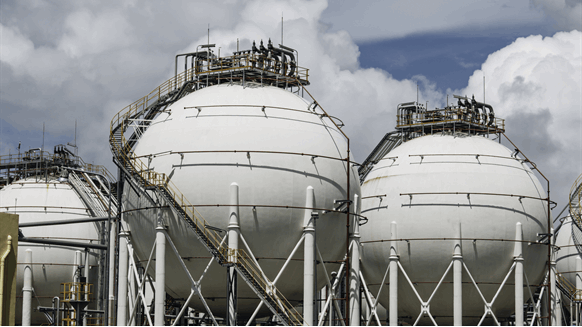
Nigeria eyes new options to maximize gas resources amid Africa’s LNG surge

Africa is set to play a pivotal role in the global gas industry in the coming years as the world’s liquefied natural gas (LNG) production capacity soars from 486 million tonnes per annum (Mtpa) last year to 755 Mtpa in 2030, according to Rystad Energy’s latest projections. This explosive growth will be fueled by rising gas demand in regions with limited local production or access to pipeline supplies. Africa hosts about 20% of the 477 Mtpa total —around 93 Mtpa— of global LNG capacity in the pipeline, comprising under-construction projects, confirmed final investment decision (FID) or pre-FID.

Western Africa, led by Nigeria, produces nearly half of the continent’s LNG, and Rystad Energy forecasts that the country’s LNG exports will rise 20 million tonnes (Mt) by 2030. Nigeria may need to explore alternative solutions such as floating LNG (FLNG) and smaller-scale mini-LNG projects in order to fully capitalize on its gas resources and meet both export and domestic demand.

Despite growing global demand, production issues and vandalism have contributed to Nigeria’s annual liquefaction rates dropping from an average of 90% in 2018 to 60% last year, demonstrating the extent of the disruptions and signaling the need for urgent action to capitalize on its competitive edge.

Africa is home to the highest concentration of FLNG infrastructure in the world, underscoring its growing importance in the global gas market. The continent currently boasts an onshore LNG production capacity of approximately 70 Mtpa, accounting for around 14% of the global total. West Africa leads the charge within Sub-Saharan Africa, producing more than half of the region’s LNG last year and is targeting a 50% increase by 2030. At the heart of this growth is Nigeria, which contributes nearly two-thirds of West Africa’s LNG output and over one-third of the continent’s total —cementing its role as a cornerstone of Africa’s LNG ambitions on the global stage.

“Nigeria has consistently ranked among the top LNG producers globally, despite export volumes being much smaller than those of the US, Australia and Qatar. Nigerian LNG, which is positioned outside the ongoing US tariff war, offers crucial flexibility for Asian and European buyers thanks to its strategic location and shorter transit times compared to US LNG exports. However, ongoing pipeline vandalism and oil theft continue to hinder Nigeria’s ability to fully capitalize on its resources. While we expect Nigeria’s LNG exports to recover, they are unlikely to place the country among the top five global exporters in the near future,” – Antonia Syn, Analyst, Commodities Markets

West Africa’s gas resources consist of about 65% offshore and 35% onshore. The onshore sector is more developed, with over two-thirds already in production or development. Conversely, nearly two-thirds of its offshore gas —around 16 billion barrels of oil equivalent— remain undeveloped. These resources are ideal for FLNG technology, being less dependent on vulnerable pipeline infrastructure. Currently, West Africa holds about 20% of the world’s FLNG capacity, with potential for further growth if more gas resources are tapped for LNG exports.
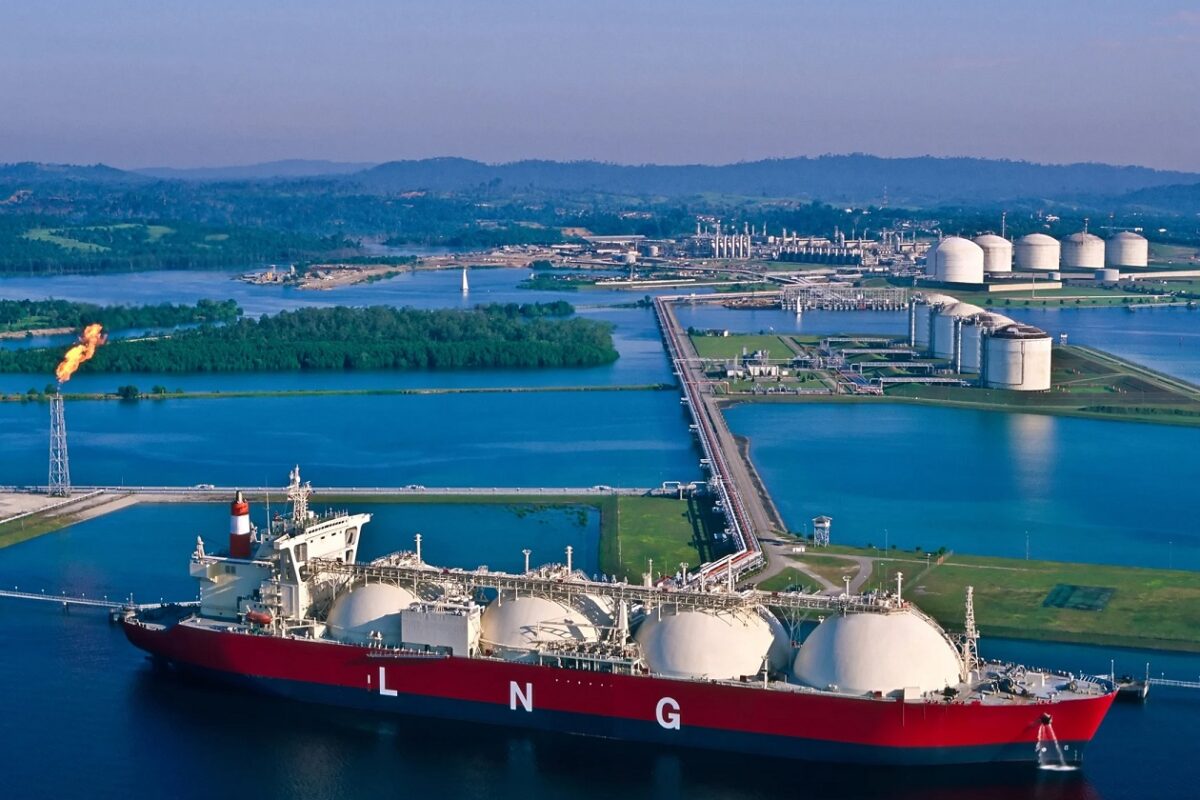
Nigeria LNG Plant May See Gas Supplies Climb 12 Percent on Seplat Deal

Africa’s biggest liquefied natural gas plant, whose operations have been hobbled by fuel theft, is set to see gas supplies jump once a deal with Seplat Energy goes into effect, an executive said.

Under the terms of a preliminary agreement, Seplat will send more than 150,000 tons of gas a month to the Nigeria LNG Ltd. plant, said Effiong Okon, who heads a Seplat subsidiary that operates a key gas project north of the facility. That’s more than 12 percent higher than last year’s monthly average.

Such an increase would be a major boost to the plant, which has seen its gas supplies plummet as gangs of thieves tap the pipelines that feed the site. It’ll be just the second time that NLNG – a joint venture between Nigeria, Shell Plc, TotalEnergies SE and Eni SpA – has received gas from a third party.

Both sides are now working out the technical and commercial details of the deal, according to Okon, who expects gas to start flowing to the plant in the third quarter.

Seplat has seen gas production rise by 50 percent after acquiring assets from the Nigerian unit of Exxon Mobil Corp. The NLNG accord would bring much-needed revenue to its $700 million ANOH gas plant, which has been idle since completion following delays to a key east-west pipeline due to take its output.

The deal “represents a strategic convergence of need and opportunity,” said Katlong Alex, an analyst at the African Energy Council. It “enables Seplat to overcome infrastructure limitations, while helping NLNG tackle its persistent gas supply issues.”

The agreement will be “short term,” pending completion of the pipeline, Okon said.

NLNG didn’t respond to a request for comment.

NCDMB Lauds Nigerian Content Achievements in NLNG’s Train 7 Project, Calls for Greater Industry Collaboration

The Executive Secretary of the Nigerian Content Development and Monitoring Board (NCDMB), Engr. Felix Omatsola Ogbe has commended the significant Nigerian Content strides achieved in the Nigeria LNG Limited (NLNG) Train 7 Project.

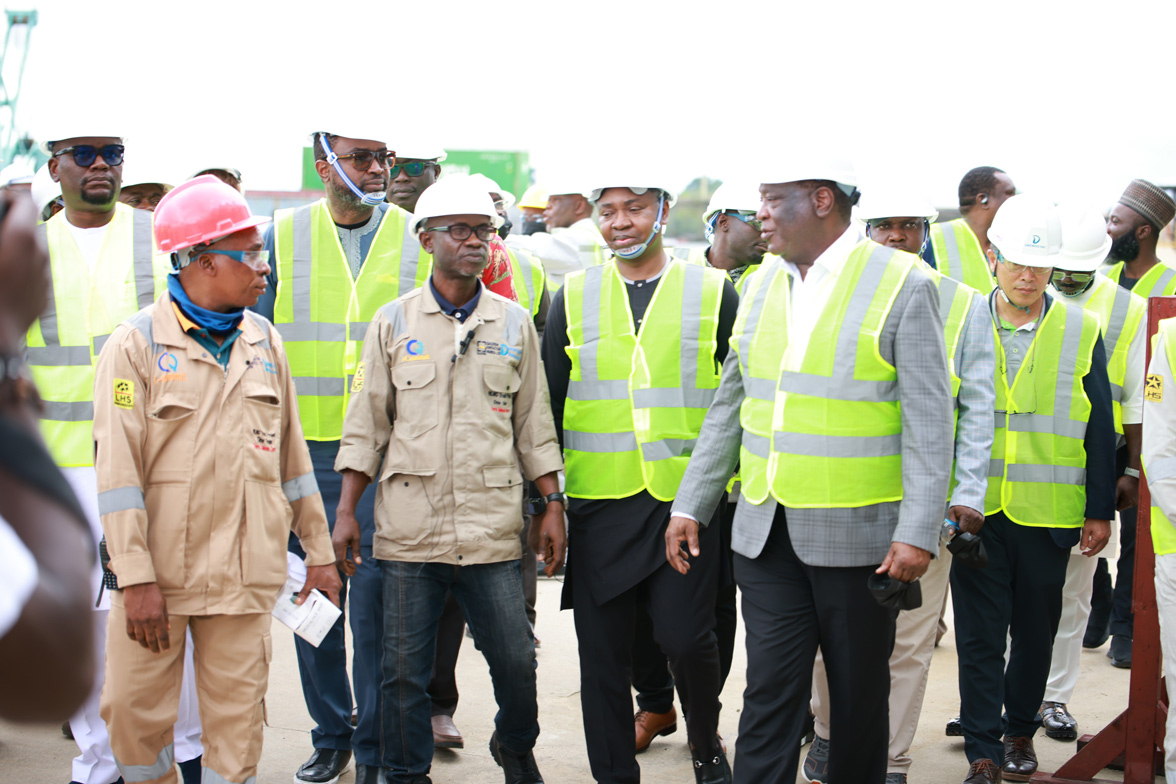
Speaking on Friday during a visit to the NLNG six-train plant, Train 7 Project construction site, and the NLNG Shipping and Marine Services Limited (NSML) training centre, Maritime Centre for Excellence (MCOE) in Finima, Bonny Island, Rivers State, Engr. Ogbe emphasised the need for increased collaboration and advocacy for Nigerian Content in the oil and gas industry.

Engr. Ogbe was received by Mr. Olakunle Osobu, Deputy Managing Director; Engr. Nnamdi Anowi, General Manager of Production; Engr. Ali Uwais, Train 7 Project Director; Mr. Abdulkadir Ahmed, NSML Managing Director/CEO; and other senior management officials of the company.

During his address, the Executive Secretary highlighted how the Train 7 Project has significantly boosted local capacity through the production of ancillary components and accessories within Nigeria, contributing directly to the project’s successful execution. He commended the recent Presidential Directives on Local Content implementation, which mandate that contracts in the oil and gas sector be awarded exclusively to local companies with proven in-country capabilities, as instrumental to these achievements.

Reflecting on the progress made, Engr. Ogbe stated, “The accomplishments we are witnessing today at the NLNG Train 7 Project are a testament to the NLNG’s unwavering commitment to Nigerian Content. This project stands as a beacon of what we can achieve when we prioritise our local industries and talents.”

“NLNG’s Nigerian Content deliverables showcase the power of strategic collaboration and capacity building, aligning with the NCDMB’s broader objectives and contributing to national development goals”

Speaking further, the NCDMB boss lauded NLNG’s management for achieving 52 million man-hours on the Train 7 project with zero lost time injury (LTI). He assured that “we will support you to achieve everything you desire to accomplish for the overall development of Nigeria.”

The NCDMB boss also commended his immediate predecessor, Engr. Simbi Kesiye Wabote, for his immense contributions to the approval, take-off and success of the Train 7 project.

Commenting on the Maritime Centre for Excellence (MCOE), Engr. Ogbe expressed delight that it is the first training centre in Africa to receive accreditation from the UK Maritime and Coastguard Agency (UK MCA) to deliver and issue certificates for the STCW 2010 Electronic Chart Display and Information System (ECDIS) and Basic Liquefied Gas Tanker Cargo Operations courses.

The MCOE, a maritime training and research facility, aims to enhance maritime expertise in Nigeria and the West African region. It currently hosts a specialised training programme for marine services providers in the upstream oil and gas sector, with the support of NCDMB.

In his comments, NLNG’s Deputy Managing Director, Mr. Olakunle Osobu, who represented Dr. Philip Mshelbila, NLNG’s MD/CEO, lauded the NCDMB’s unwavering support for the Train 7 Project, describing the partnership as a shining example of the public-private collaboration that can drive Nigeria’s industrial growth. He emphasised that NLNG’s Nigerian Content deliverables showcase the power of strategic collaboration and capacity building, aligning with the NCDMB’s broader objectives and contributing to national development goals.

Mr. Osobu further reiterated that Nigerian Content was not just a regulatory requirement for NLNG but a core business strategy. “We are committed to going beyond compliance, embracing Nigerian Content as a fundamental part of our vision of helping to build a better Nigeria,” he added.

He also highlighted the economic impact of the Train 7 Project, stating that the addition of Train 7 will expand Nigeria’s LNG production capacity from 22 Metric Tons (MT) to 30MT per annum, which will not only boost the nation’s economy by creating jobs and driving sustainable development but also reinforce Nigeria’s position as a formidable player in the global energy market.

Engr. Ogbe’s visit comes on the heels of a recent tour of BEAMCO Limited, where pumps and valves are locally assembled for the Train 7 Project, and the commissioning of the Daewoo Galvanising Plant at Abam-ama, Okrika, Rivers State.

Anne-Marie Palmer-Ikuku
Manager, Corporate Communication and Public Affairs